A beach wedding in Spain sounds wonderfully simple: sunshine, Mediterranean views, your closest friends and family, and a ceremony with your feet in the sand. But planning a beach wedding in Spain involves more than finding a beautiful stretch of coastline and choosing a date. From choosing the right destination and venue to understanding local regulations, planning for the weather and organizing your guests, there are several things to consider before you start booking suppliers.
The good news is that Spain offers an incredible variety of coastal wedding destinations, from Mallorca and the Costa del Sol to Valencia, Barcelona and the Costa Brava. Here is what you need to know if you are considering a beach wedding in Spain.
Can You Get Married on a Beach in Spain?
Yes, it is possible to have a wedding celebration on or next to a beach in Spain, but the exact options depend on the location.
One important thing to know is that Spanish beaches are public spaces. They cannot simply be privately reserved for a wedding. The use of beaches and the installation of structures or equipment are subject to Spain’s coastal regulations and, depending on the location and type of event, local and regional requirements may also apply.
In many cases, the easiest option is to choose a venue located directly on the coast, overlooking the sea or with private outdoor spaces close to the beach. This gives you the atmosphere of a beach wedding while making the logistics considerably easier.
If you specifically want to have your ceremony directly on a public beach, it is important to check the regulations for that particular beach before making plans.
Where are the Best Places for a Beach Wedding in Spain?
One of the best things about getting married in Spain is the variety of coastal destinations available.
Mallorca
Mallorca is a natural choice for couples dreaming of a Mediterranean destination wedding. The island combines beautiful beaches and turquoise water with countryside estates, historic properties and restaurants overlooking the sea. It is also well connected to mainland Europe, making it relatively convenient for international guests.
Mallorca works particularly well if you want a wedding that combines a relaxed Mediterranean atmosphere with a more private and carefully planned celebration.
Málaga and the Costa del Sol
The Costa del Sol is one of Spain’s most established destinations for international weddings. The area offers beaches, seaside restaurants, private villas and wedding venues along the coast, as well as plenty of accommodation and activities for guests.
Málaga can also be a practical option for couples inviting guests from different countries because of its international airport and extensive flight connections.
Valencia
Valencia offers something slightly different. You can combine a Mediterranean beach setting with a vibrant city, making it possible to create a destination wedding experience that goes beyond the wedding day itself.
For couples who want a relaxed coastal celebration without being completely removed from city life, Valencia can be a particularly interesting option.
Barcelona and the Costa Brava
Barcelona is another possibility for couples who want the Mediterranean without giving up the convenience of a major city. The city itself offers an extensive choice of accommodation, restaurants and activities, while the nearby coast and Costa Brava provide a very different setting for the wedding day.
For a more intimate celebration, looking outside Barcelona can also open up options in smaller coastal towns and private venues.
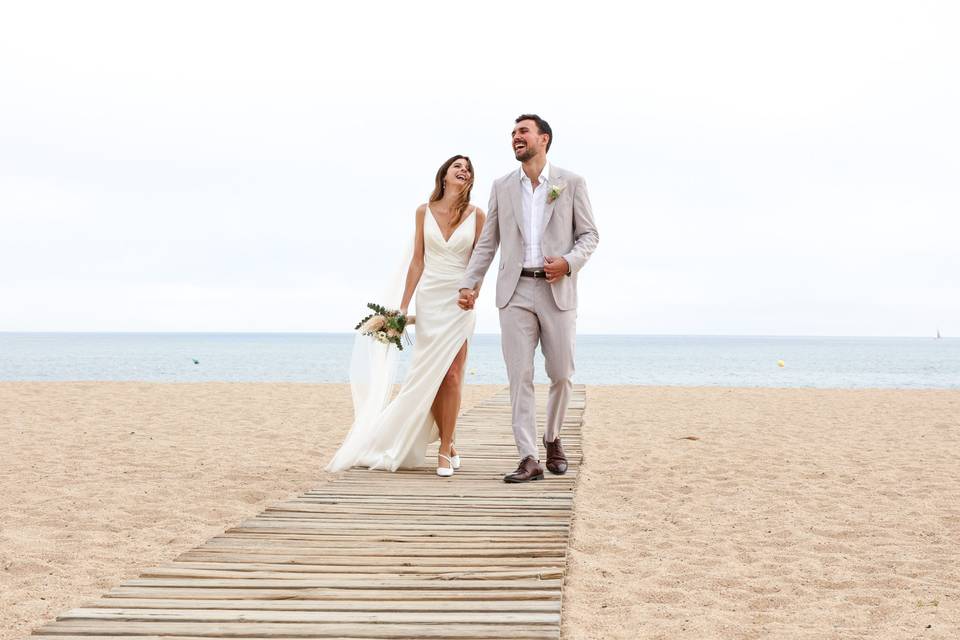
Beach Wedding or Seaside Wedding Venue?
If you are planning a destination wedding from abroad, I would generally recommend choosing a seaside wedding venue rather than having the ceremony directly on a public beach.
A wedding abroad already comes with plenty of logistics to manage, and adding beach permits, local regulations, restrictions on setups and furniture, and coordination with different authorities can make the process considerably more complicated. What sounds like the simplest option can actually create quite a bit of extra work, especially when you are planning from another country.
A seaside venue can give you the same Mediterranean atmosphere without as much of the administrative hassle. You could have:
• A ceremony overlooking the sea
• A cocktail hour on a terrace
• Dinner at a restaurant by the water
• A private venue just steps from the beach
• A beautiful coastal setting without having to organize the wedding directly on the sand
For international couples, I think this is often the more practical approach. You can still have the sea, the views and that relaxed Spanish atmosphere without adding unnecessary complications to an already complex destination wedding.
What Is the Best Time of Year for a Beach Wedding in Spain?
Spain has a long wedding season, but the ideal month depends on the destination and the type of wedding you want. If you are still deciding when to get married, I have also written a more detailed guide to the best season to get married in Spain, including what to expect from each season.
July and August can be very hot, particularly in southern Spain and inland areas. They are also among the busiest months for tourism.
Late spring and early autumn can offer a more comfortable combination of warm weather and outdoor conditions.
September is particularly popular for Mediterranean weddings because the sea is still warm and the intense heat of the middle of summer has usually eased.
That said, weather varies considerably between different parts of Spain. The Costa del Sol, Mallorca, Valencia and the northern Spanish coast can have quite different conditions.
When choosing your date, I would consider not only the average temperature but also wind, sunset time, humidity and the typical weather at the specific destination.
Frequently Asked Questions
What about rain?
Even in Spain, you need a Plan B. A beach wedding is particularly dependent on weather because wind, rain and unusually high temperatures can affect everything from the ceremony setup to the comfort of your guests.
Before booking a venue, ask:
• Is there an indoor alternative?
• Can the ceremony be moved under cover?
• Can the reception be held indoors if necessary?
• How much notice is needed to change the setup?
• Is there protection from strong sun?
• What happens if it is windy?
A good Plan B should not feel like an emergency version of your wedding. Ideally, it should be another beautiful option that you would be happy to use.
How much does a beach wedding in Spain cost?
There is no single price for a beach wedding in Spain. Your budget will depend on the destination, number of guests, venue, season and level of catering and production. Check out my guide on how much to budget for a destination wedding in Spain for more information.
How far in advance should I plan a beach wedding in Spain?
For a destination wedding, I recommend starting early, particularly if you have a specific venue or popular summer date in mind. Around 12 to 18 months gives you more choice when it comes to venues and suppliers. If your wedding is smaller or you are flexible about the date and location, you may be able to plan it in less time. The earlier you start, the easier it is to coordinate accommodation and travel for international guests as well.
Do you need a wedding planner for a beach wedding in Spain?
You do not have to hire a wedding planner, but a local planner can be particularly useful for a destination wedding. There are several moving parts that can be more difficult to manage from another country, especially when you do not speak Spanish or are unfamiliar with local suppliers and regulations.
A wedding planner can help with:
• Finding suitable venues
• Recommending and managing suppliers
• Reviewing contracts
• Translating when necessary
• Managing the wedding budget
• Creating the timeline
• Coordinating transportation and logistics
• Organizing the wedding day
• Being the local point of contact for you and your guests
For a beach wedding, local knowledge can be especially useful because the practical details can vary significantly from one location to another.

Say I Do in Spain – Destination Wedding Planner
¡Hola! I’m Eva, the wedding planner behind Say I Do in Spain and the author of this article. Born in Madrid and living abroad for most of my adult life, I have spent over ten years planning events and travel, and today I help international and multicultural couples get married in Spain. I work in Spanish, English and French and handle every supplier myself, so language is never a barrier. You can read more about me or see how I work with couples.